Mastering META Ads Algorithms: Navigating Constant Changes to Maximize Your Marketing Impact
In the world of digital advertising, META platforms—Facebook and Instagram—remain essential channels for brands seeking to reach targeted audiences at scale. However, the effectiveness of your META ad campaigns hinges on understanding and adapting to the platform’s complex, ever-evolving algorithms. Staying ahead of these updates isn’t just beneficial; it’s vital for optimizing ROI and maintaining a competitive edge.
The Inner Workings of META’s Algorithms
META’s advertising algorithms are designed to serve the most relevant content to users while maximizing engagement and conversions. They analyze a multitude of signals—user behavior, interests, demographics, and even external data—to determine which ads to display.

How do META algorithms work?
At their core, META uses machine learning models that continuously learn from user interactions. According to META’s Business Help Center, the algorithms prioritize content based on three key factors:
User Engagement: Likes, comments, shares, and click-through rates
Relevance Score: How well an ad matches user interests
Ad Quality: Feedback from users and ad performance metrics
This dynamic process allows META to deliver highly personalized content, but it also means that what works today may not work tomorrow.
The Ever-Changing Landscape: Why Constant Updates Matter
Meta’s algorithms are not static; they are under constant development to improve user experience and ad performance. For example, in 2022, META announced over 20 significant updates to its advertising tools and policies, reflecting its commitment to transparency and effectiveness (Meta for Business, 2022).
Recent updates include:
Enhanced Privacy Controls: Changes like iOS 14.5 updates have limited tracking capabilities, affecting ad targeting and measurement (Apple, 2021).
Focus on Engagement and Quality: META prioritizes meaningful interactions, reducing the reach of clickbait or low-quality content (Meta, 2022).
Automated Ad Optimization: Introduction of machine learning features that automatically adjust budgets, placements, and audiences for optimal results (Meta Business, 2023).
Failing to adapt to these updates can result in decreased ad performance, higher costs, and missed opportunities.
The Importance of Staying Updated: Statistics and Insights
1. Impact of Algorithm Changes on Ad Performance
A report from AdEspresso indicates that advertisers who stay current with META’s algorithm updates see a 30-50% improvement in ad engagement and a 25% reduction in cost per acquisition (CPA). Conversely, those who neglect platform updates often experience a 20-40% decline in campaign effectiveness within three months.
2. The Cost of Ignoring Updates
Meta’s own data shows that advertisers who leverage new features and best practices within the first 6 months of a major update can achieve 20-30% better ROAS (Return on Ad Spend) than competitors who delay adaptation.
3. The Power of Data-Driven Optimization
According to Hootsuite’s Digital 2023 report, 78% of top-performing brands regularly adjust their META ad strategies based on latest algorithm insights, leading to higher engagement rates and lower ad costs.

Strategies to Keep Up and Optimize
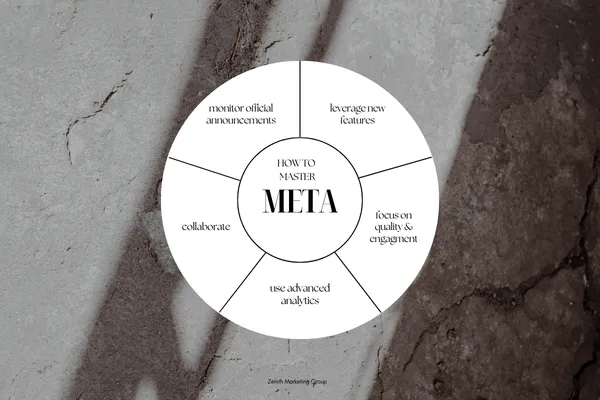
1. Monitor Official Meta Announcements
Regularly review META’s Business Blog and Newsroom for updates. META often shares insights about algorithm changes, new tools, and best practices.
2. Use Advanced Testing and Analytics
Implement A/B testing for creatives, audiences, and placements. Use META’s Ads Manager and third-party analytics tools to track performance metrics like relevance diagnostics, CTR, and CPA.
3. Focus on Quality and Engagement
Create content that encourages meaningful interactions. META’s algorithms favor content that sparks genuine engagement, so prioritize authentic storytelling and community building.
4. Leverage New Features Quickly
Experiment with new placement options, ad formats, and automation tools as they roll out. Early adoption can boost your campaign reach and efficiency.
5. Collaborate with Experts
Partner with digital marketers who specialize in META ads to stay ahead of updates and refine your strategies continuously.
Final Thoughts
META’s ad algorithms are a complex, dynamic system that requires ongoing attention and adaptation. As the platform updates its tools and policies, marketers must stay informed and agile to maximize their advertising investment. Those who master the intricacies of META’s evolving algorithms will benefit from improved engagement, lower costs, and stronger brand presence.
Ready to optimize your META ad campaigns with expert guidance? A reputable agency can do wonders for your brand. Contact Zenith Marketing Group today and let us help you navigate the ever-changing landscape of META advertising for maximum results.
